Eligibility & FAQ
detroit youth leading change in community health
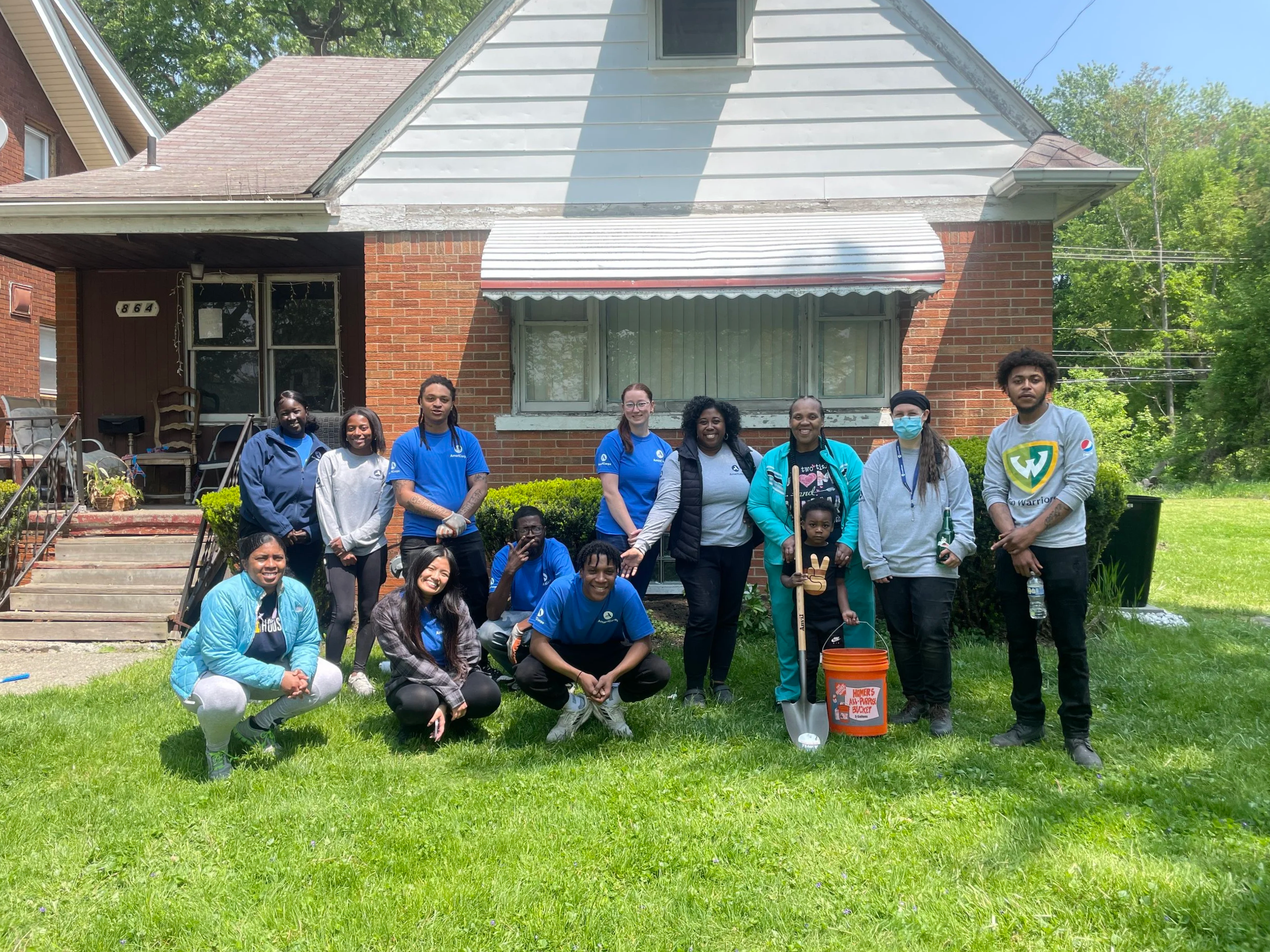
The AmeriCorps READY team works directly in the community to improve health outcomes for Detroiters. As a workforce development program, READY provides youth with hands-on experience in public health research, environmental hazard mitigation, and air quality improvement.
Based at the Wayne State Center for Urban Studies, READY operates a one-of-a-kind research model that partners with community members to create measurable improvements to their health and quality of life.
If you want to gain real world experience while making a difference, join us today.
Eligibility Requirements
-
US Citizen or Permanent Resident
-
17 and Older. If 17, must have signed guardian permission
-
Must be available M-F between 9-5 for a minimum of 18 hours and maximum 37.5 hours per week
-
High school diploma or equivalent
-
AmeriCorps volunteers serving vulnerable populations must be able to pass local, state, and national background for violent and sex offense crimes.
We accept applications on a rolling basis. Most of our service takes place during the spring, summer, and early fall during the planting season.
FAQs
-
Community organizing, outreach, and engagement
Public Health Research
Environmental Education
Green Infrastructure Installation
Stewardship & Natural Resources
-
Must be available M-F between 9am - 5pm for a minimum of 18 hours and maximum 37.5 hours per week
Team Members commit to a term of service: a set number of hours to be completed within a specific timeframe
Participate in mandatory service days
-
Participate in environmental stewardship and education
Demonstrate green-infrastructure installations including but not limited to: rain barrels, downspout extensions, rain garden, mini forests
Collect evaluation information and identify in-home hazards associated with health impacts, including those requiring intervention.
Engage in community outreach by attending community meetings, contacting residents, canvassing, and administering participant questionnaires
Volunteers will be required to submit bi-weekly timesheets, complete data reports in a timely manner, and submit Great Stories reports quarterly.


